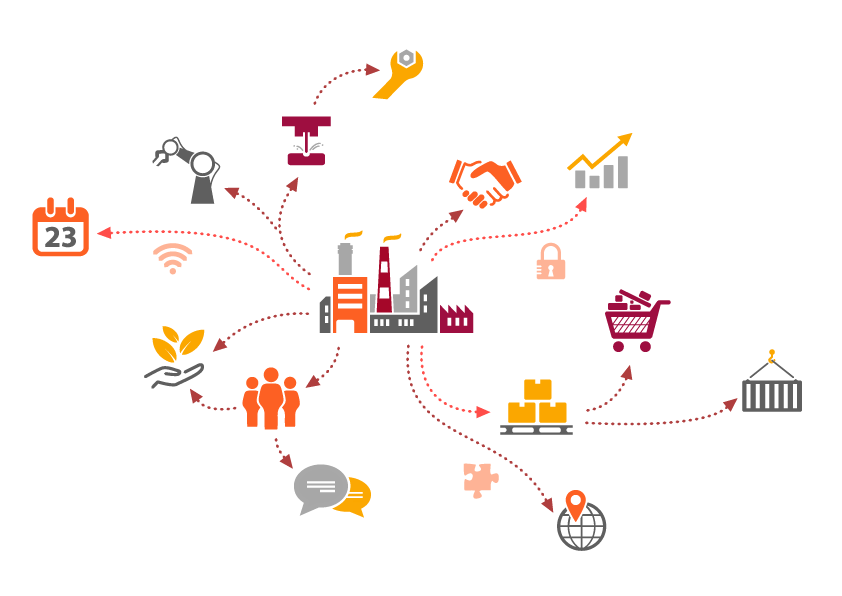
Global supply chains are undergoing significant transformation as countries implement new trade policies and reassess their economic partnerships. Businesses that once relied on highly centralized production models are now exploring diversification strategies to reduce risk and improve resilience.
The shift has been driven by a combination of geopolitical tensions, pandemic-related disruptions, and changing consumer demands. Companies are increasingly adopting a “multi-region” approach, distributing manufacturing and sourcing across different locations to avoid overdependence on any single country. While this strategy can enhance stability, it also introduces new complexities in logistics and coordination.
Trade agreements are evolving in response to these changes. Some nations are forming new alliances to strengthen regional cooperation, while others are prioritizing domestic production through incentives and subsidies. These policies aim to boost local economies but can also lead to increased costs for businesses and consumers.
Technology is playing a crucial role in managing modern supply chains. Advanced analytics, automation, and real-time tracking systems are enabling companies to monitor operations more effectively and respond quickly to disruptions. However, the adoption of these technologies requires significant investment and expertise, which may not be accessible to smaller enterprises.
Labor considerations are also a key factor. As production shifts to different regions, companies must navigate varying labor laws, wage structures, and workforce availability. Ensuring fair working conditions while maintaining competitiveness remains a complex challenge.
Looking ahead, experts predict that supply chains will continue to evolve in response to global developments. Flexibility and adaptability are likely to become defining characteristics of successful businesses in this new environment. While uncertainties remain, the ongoing transformation presents opportunities for innovation and growth.
Leave a Reply